Effective Dry Scalp Natural Remedies: Embrace Soothing Solutions
- Apr 13
- 4 min read
Dry scalp can be such a nuisance, can't it? That tight, itchy feeling, the flakes that seem to appear out of nowhere, and the discomfort that just won’t quit. I’ve been there, and I know how frustrating it can be to find something that truly works without harsh chemicals or complicated routines. Luckily, nature offers us some gentle, effective ways to soothe and heal a dry scalp. Let me share with you some of the best natural treatments that have helped me and many others find relief.
Understanding Dry Scalp Natural Remedies
When it comes to dry scalp natural remedies, the goal is simple: restore moisture, calm irritation, and nourish the skin on your head. Unlike dandruff caused by fungus, dry scalp is often a result of environmental factors, harsh hair products, or even just the changing seasons. The good news? You don’t need to reach for synthetic solutions to feel better.
Natural remedies focus on ingredients that hydrate and protect your scalp while promoting overall hair health. Think oils, herbal infusions, and gentle exfoliation. These treatments not only soothe dryness but also encourage a balanced scalp environment, which is essential for strong, healthy hair growth.
Here are some of my favorite natural ingredients and methods that you can easily incorporate into your routine:
Coconut oil: Deeply moisturizing and antimicrobial.
Aloe vera: Soothes irritation and hydrates.
Tea tree oil: Helps with itchiness and has antifungal properties.
Honey: Natural humectant that locks in moisture.
Apple cider vinegar rinse: Balances scalp pH and removes buildup.

What is the Best Natural Remedy for Dry Scalp?
If I had to pick one, I’d say coconut oil is the best natural remedy for dry scalp. It’s incredibly versatile and easy to use. When I first started using it, I was amazed at how quickly my scalp felt less tight and itchy. Coconut oil penetrates the skin and hair shaft, providing deep hydration and reducing flakiness.
Here’s how you can use it:
Warm a small amount of coconut oil until it’s liquid.
Massage it gently into your scalp using your fingertips.
Leave it on for at least 30 minutes, or overnight for a more intensive treatment.
Wash your hair with a gentle shampoo to remove the oil.
You can do this once or twice a week. Over time, you’ll notice your scalp becoming softer and less prone to dryness.
Another excellent option is aloe vera gel. It’s cooling and calming, perfect if your scalp feels irritated or inflamed. Simply apply pure aloe vera gel directly to your scalp, leave it on for 20 minutes, and rinse. It’s refreshing and hydrating without any greasy residue.

How to Create a Simple Natural Scalp Care Routine
Consistency is key when treating dry scalp naturally. Here’s a simple routine that combines some of the best natural ingredients:
Step 1: Pre-wash treatment
Apply warm coconut oil or a mix of coconut oil and a few drops of tea tree oil to your scalp. Massage gently and leave it on for 30 minutes or overnight.
Step 2: Gentle cleansing
Use a mild, sulfate-free shampoo to wash your hair. Avoid hot water, which can strip natural oils.
Step 3: Scalp exfoliation (once a week)
Mix sugar with a little olive oil or honey and gently scrub your scalp to remove dead skin cells. This helps prevent buildup and promotes healthy skin turnover.
Step 4: Rinse with apple cider vinegar
Dilute apple cider vinegar with water (1 part vinegar to 3 parts water) and pour it over your scalp after shampooing. This balances pH and leaves your scalp feeling fresh.
Step 5: Hydrate and protect
After washing, apply aloe vera gel or a light oil like jojoba to keep your scalp moisturized.
This routine is simple, natural, and effective. It respects your scalp’s delicate balance and helps restore its natural moisture barrier.
Why Choose Natural Treatments Over Chemical Solutions?
I’ve tried my share of commercial products, and while some helped temporarily, many left my scalp feeling worse after a while. Chemicals can strip away natural oils, cause irritation, or even trigger allergic reactions. Natural treatments, on the other hand, work with your body’s own healing processes.
Using natural ingredients means you’re less likely to experience side effects. Plus, many of these remedies have been used for centuries in traditional hair care practices, proving their effectiveness over time. They nourish not just your scalp but your hair too, promoting strength and shine.
And let’s be honest - there’s something deeply satisfying about caring for yourself with simple, wholesome ingredients. It feels like a small act of kindness to your body and mind.
Tips for Preventing Dry Scalp Naturally
While treating dry scalp is important, preventing it is even better. Here are some tips that have helped me maintain a healthy scalp:
Stay hydrated: Drinking plenty of water keeps your skin hydrated from the inside out.
Avoid hot showers: Hot water can dry out your scalp and hair.
Limit harsh hair products: Choose gentle, natural shampoos and conditioners.
Protect your scalp from the sun: Wear a hat or use a natural sunscreen spray.
Eat a balanced diet: Nutrients like omega-3 fatty acids, vitamins A and E support scalp health.
Manage stress: Stress can worsen scalp conditions, so find ways to relax and unwind.
By incorporating these habits, you’ll create a supportive environment for your scalp to stay healthy and comfortable.
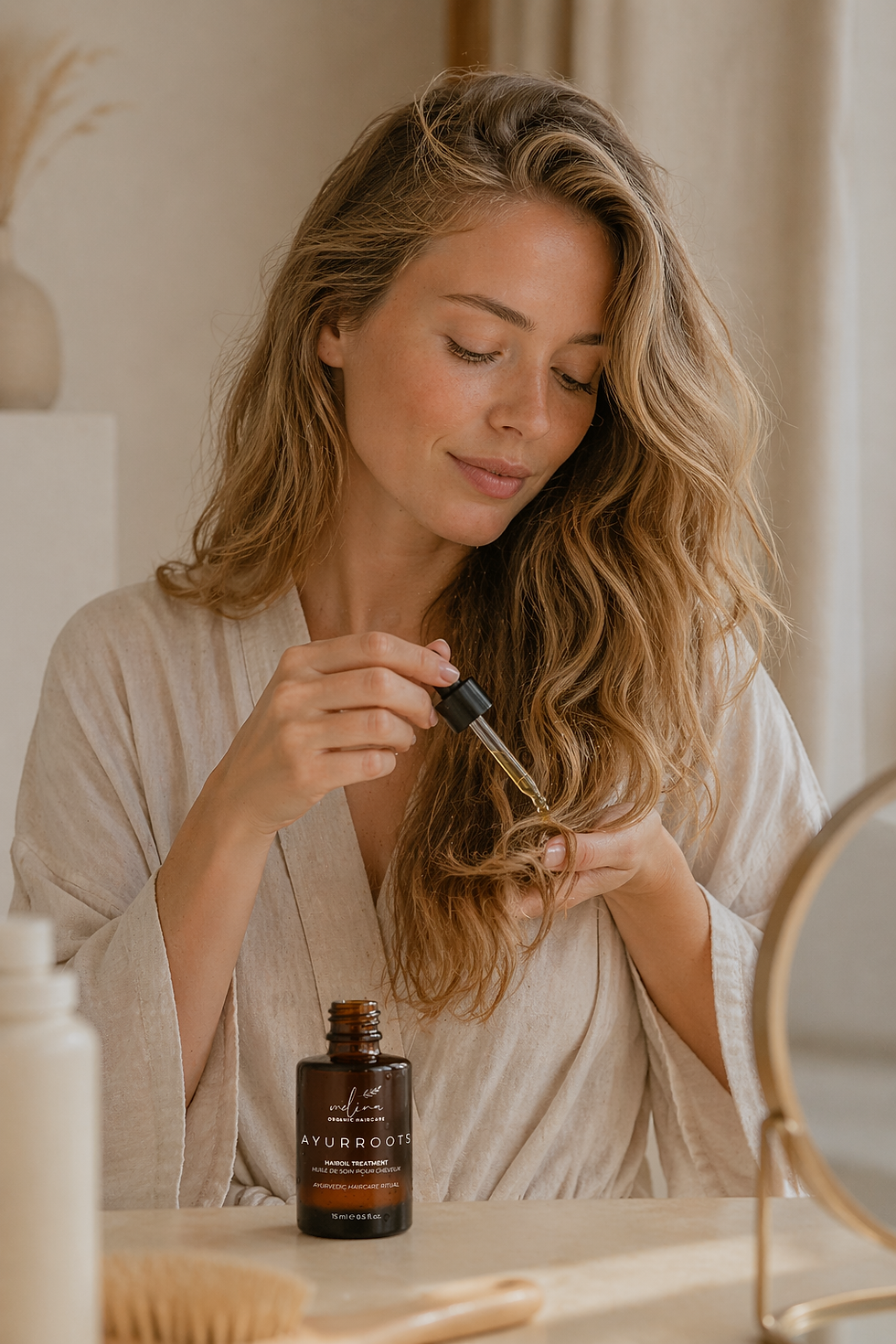
If you want to explore more about natural scalp treatment for dry scalp, there are plenty of resources and products inspired by ancient Ayurvedic wisdom that can guide you on this journey.
Embracing a Healthier Scalp and Happier Hair
Taking care of your scalp naturally is a journey, not a quick fix. But with patience and the right approach, you can transform your dry, itchy scalp into a calm, nourished foundation for beautiful hair. I hope these natural remedies inspire you to try gentle, effective solutions that honor your body’s needs.
Remember, your scalp deserves kindness and care. When you treat it well, your hair will thank you with strength, shine, and vitality. So why not start today? Your scalp will feel the difference, and you’ll feel more confident and comfortable in your own skin.


Comments